
Spruce Hall
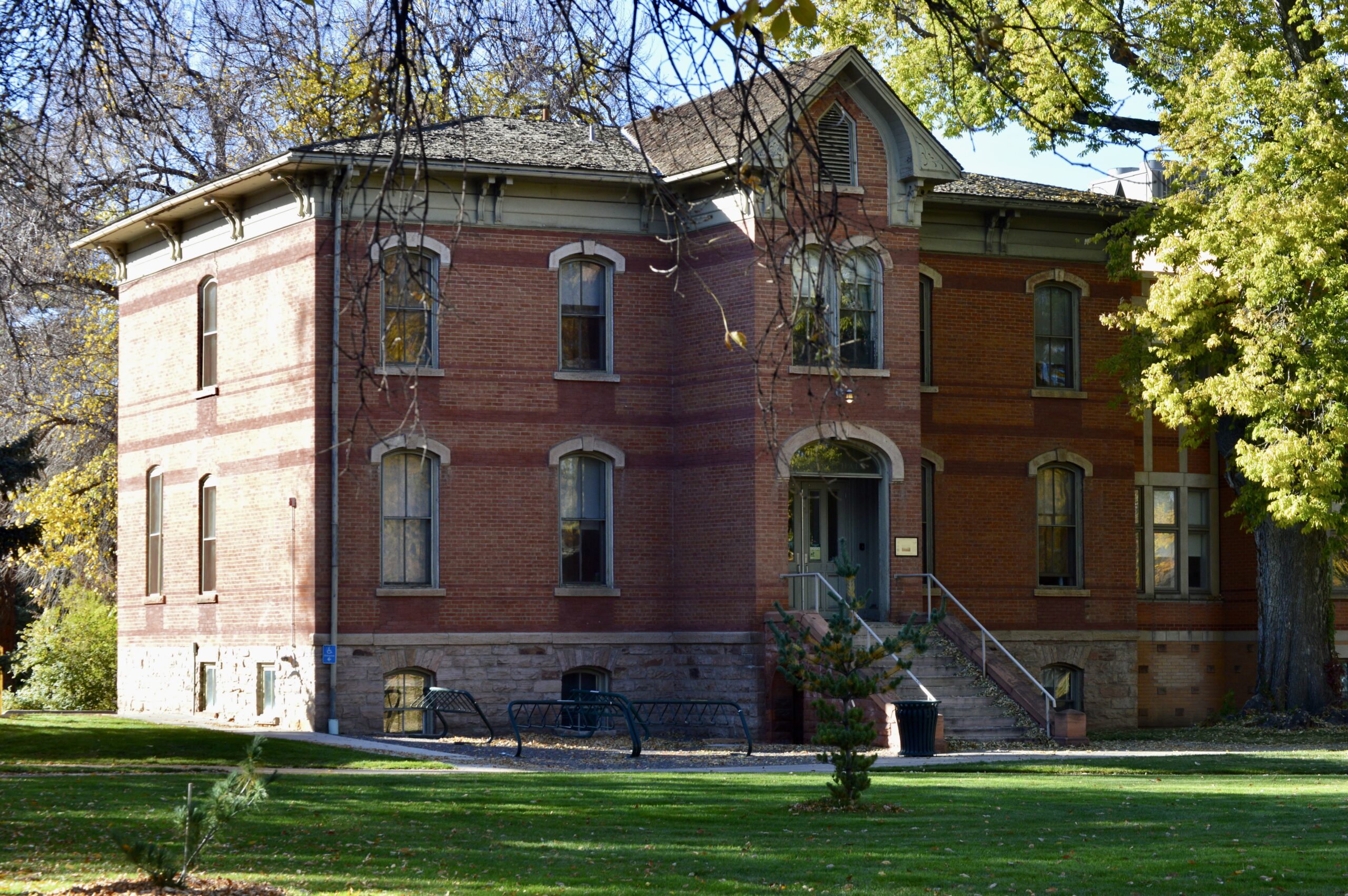
CSU’s oldest landmark and the birthplace of campus living.
Quick Facts
Year Built
1881
First approved on December 3rd, 1880, site selection was decided on February 24th 1881 with the building first opening its doors to students September 29, 1881
Original Purpose
Dorms
Initially called the “Dormitory Building” or “College Boarding Hall”, Spruce Hall was built to meet the need of campus housing and to help boost student enrollment
New Purpose
INTRO and NCVECS
In 2012 Spruce Hall became the main hub for CSU’s INTO program. With it now housing INTO’S Colorado State University Reception, Director and Administration staff, Student Services staff, and Academic Faculty members. In Spruce Hall also houses the National Center for Vehicle Emissions Control and Safety (NCVECS)
Location
College ave and Laurel St
150 Old Main Drive
Architect
Architect
Hiram Pierce (original), Harlan Thomas (1893 remodeling), Austin Company of Chicago (1925 addition), Anthony Pellecchia and Jeffrey W. Olson Architects of Denver (1990 addition)
Builder
Builder
J. A. Rishel (original), Austin Company of Chicago (1925 addition)
Historical Overview
Spruce Hall is one of the oldest and most architecturally notable residence halls on Colorado State University’s campus, reflecting the early growth and identity of the institution. Originally known as the Women’s Residence Hall, it was constructed in 1924 during a period of significant expansion as the university—then Colorado Agricultural College—worked to modernize student housing and support a rapidly increasing enrollment. Its Collegiate Gothic design, characterized by brick masonry, arched entrances, and symmetrical window arrangements, gives the building a timeless, academic appearance that sets it apart from the more contemporary residence halls surrounding it.
The construction of Spruce Hall occurred at a pivotal moment in CSU’s history, following decades of limited student housing options that forced many students to seek accommodations off campus or in improvised dormitory spaces. Built specifically to support female students, Spruce Hall represented a major step toward enhancing campus life and improving accessibility to higher education. Over the years, the building has undergone updates and renovations to modernize its interior while preserving its historic character, ensuring it remains a functional and welcoming home for students.
Today, Spruce Hall maintains an important presence on the CSU campus, both for its historical significance and its continued use as student housing. Located immediately adjacent to the historic Oval, it retains much of its original exterior appearance, making it a recognizable landmark for students, alumni, and visitors alike. As one of the university’s earliest purpose-built residence halls still in operation, Spruce Hall stands as a testament to CSU’s long-standing commitment to creating a supportive and engaging residential experience for its students.
Building Timeline
Architecture Features
Collegiate Gothic Design
Spruce Hall, one of Colorado State University’s earliest purpose-built residence halls, was designed in the Collegiate Gothic architectural style, a popular choice for American universities in the early 20th century. This style emphasized tradition, academic character, and a sense of permanence—qualities the college sought as enrollment expanded and student housing became increasingly important.

Location
Spruce Hall’s location just off the Oval places it within CSU’s historic core, giving students direct access to one of the most iconic and scenic areas on campus.
Notable Features:
Brick Masonry Exterior
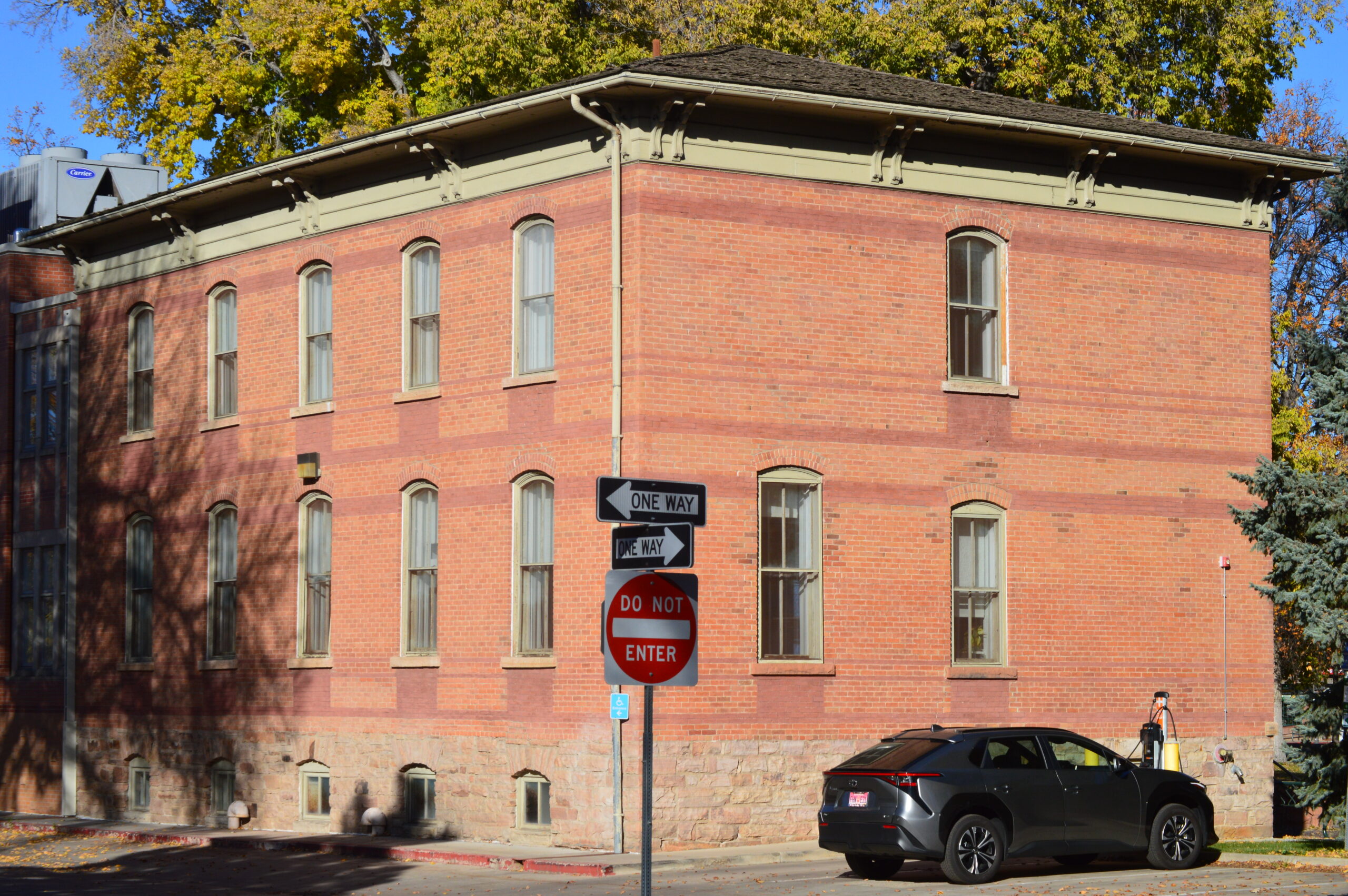
Spruce Hall features a traditional red-brick exterior that reflects the Collegiate Gothic style and contributes to its warm, historic appearance on the Oval’s north side.
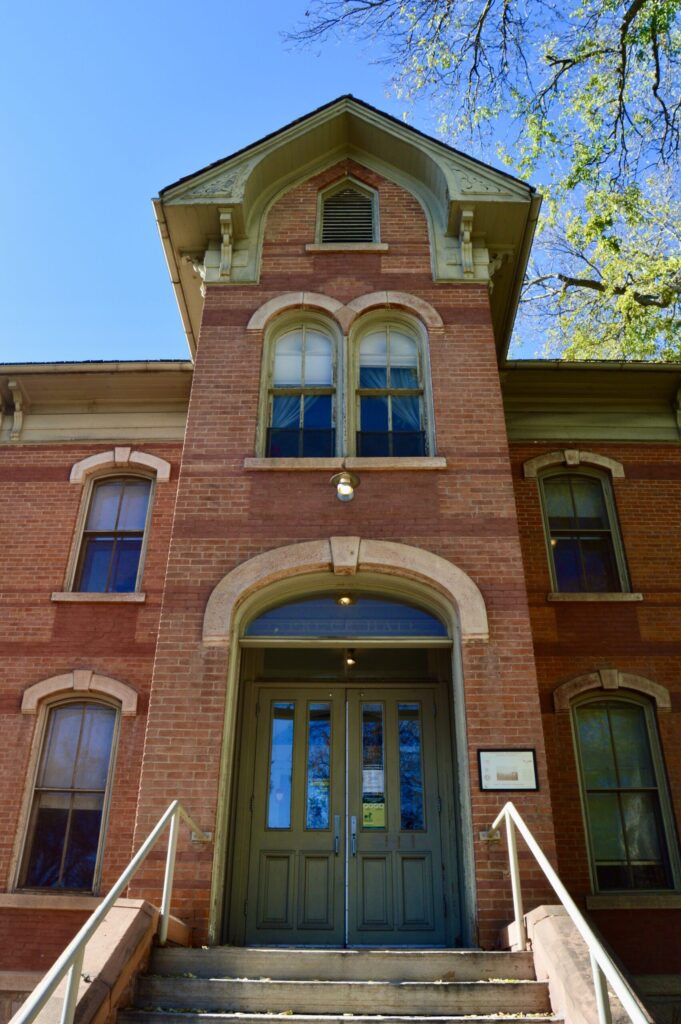
Arched Entrences
Elegant arched entryways provide a classic, inviting approach to the building, showcasing early 20th-century craftsmanship and attention to detail.
Terra Cotta and Stone
Decorative stone trim and subtle terra cotta detailing highlight doorways, rooflines, and structural edges, adding texture and depth to the historic design.
Then and Now
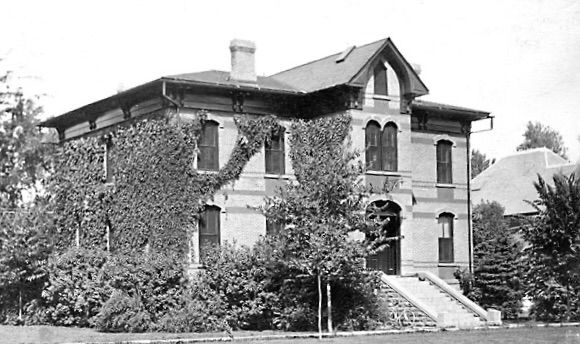
Historical View
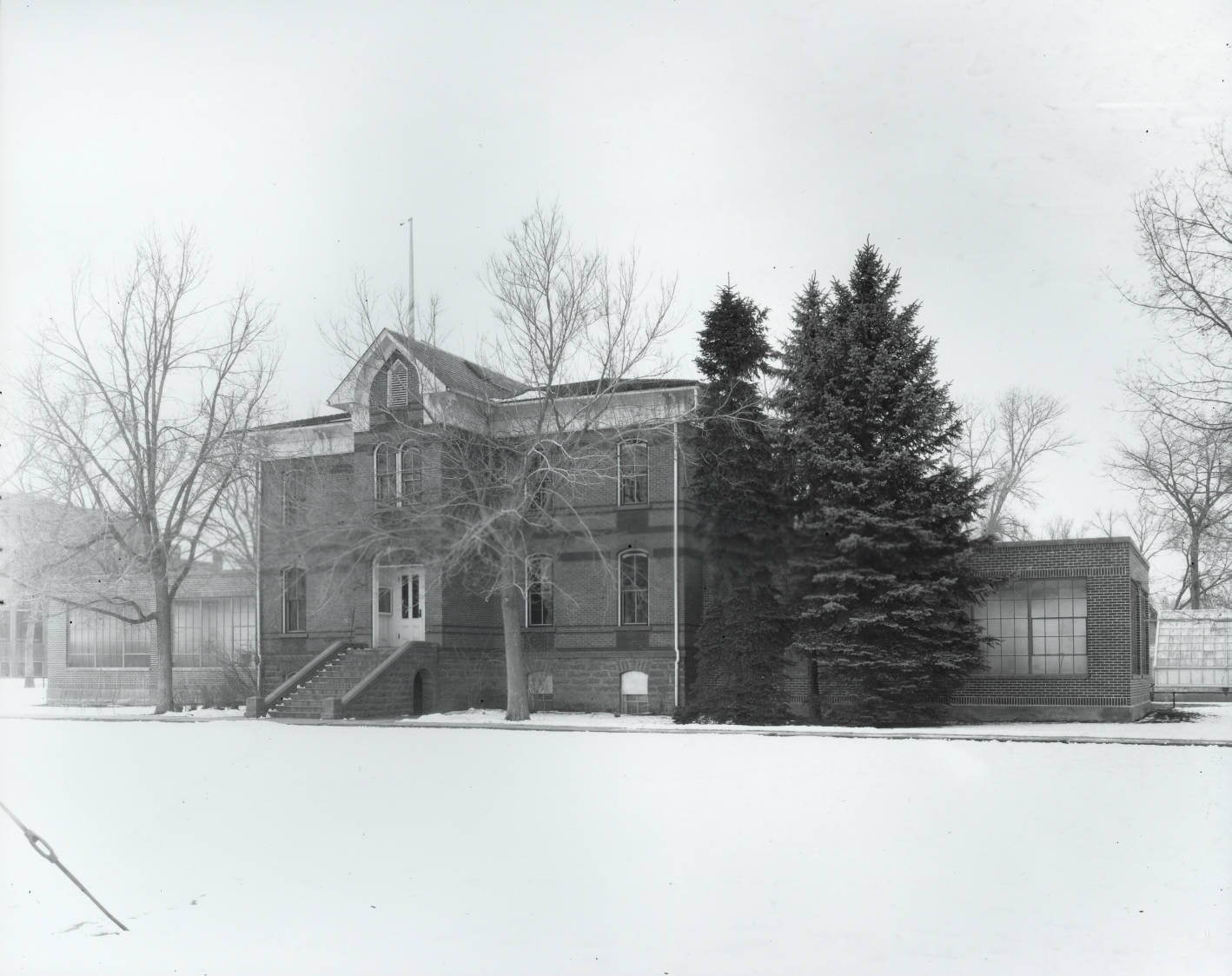
Spruce Hall, constructed in 1881 as the College Boarding Hall, quickly became a central part of student life at Colorado Agricultural College. Positioned along the early campus core, it served as the institution’s very first dormitory, offering housing, meals, and communal space for the growing population of students arriving from across Colorado. Its role in fostering early campus community made it one of the most influential buildings of CSU’s formative years.
Modern View
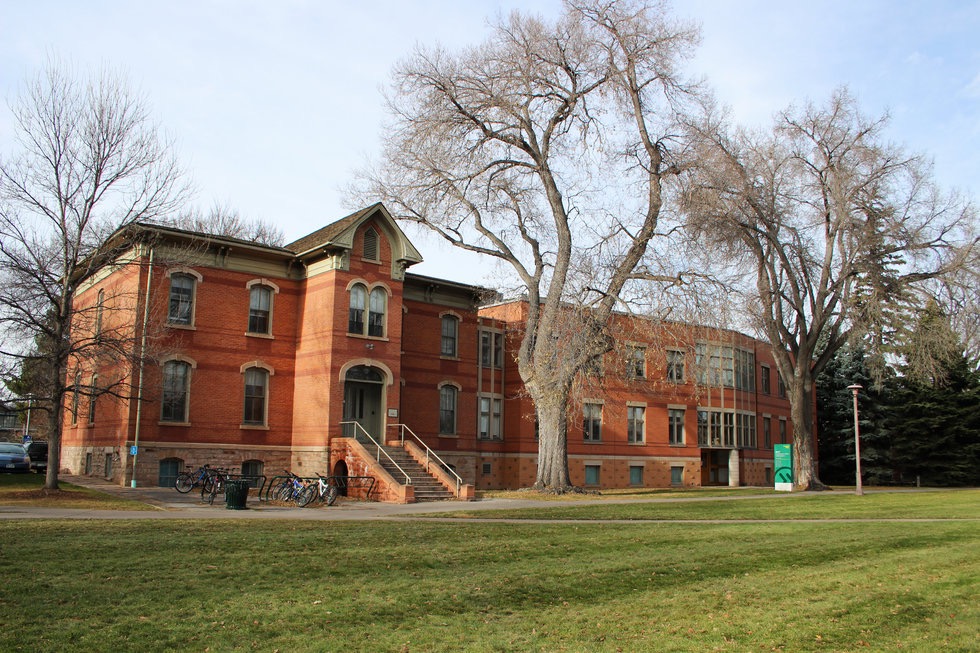
y, Spruce Hall remains a cherished historic landmark, still in use and carefully preserved to reflect its 19th-century character. Modern updates have been added with sensitivity, ensuring accessibility and functionality while maintaining its original architectural identity. As the oldest surviving building on campus, Spruce Hall continues to embody the university’s early commitment to student support and residential life.
Historical Significance
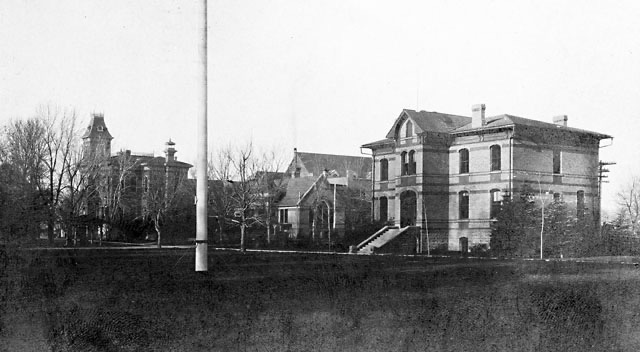
Spruce Hall occupies an important place in CSU’s early history as the campus’s first dedicated dormitory — originally built as the “College Boarding Hall.” Its design included two upper floors for residents and a basement that housed a kitchen, dining room, and living quarters for the cook. From its construction, Spruce Hall helped to shape a residential community for students who did not live locally, enabling the university to evolve from a purely commuter or regional school into a true college campus where students from diverse places could live, study, and build community together.
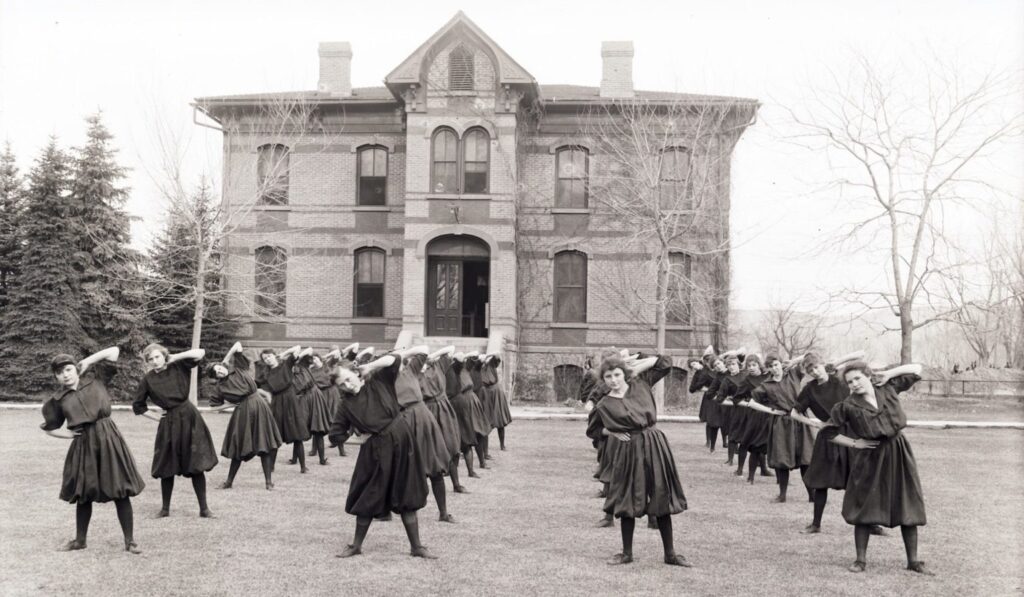
Beyond its structural role, Spruce Hall occupies a unique social and cultural legacy — including stories of connection and community among its residents. According to “Socially distant love letters at Spruce Hall,” the building became the setting for young student romances and friendships, transcending the strict social separation norms of its era (male and female students lived on separate floors within the dormitory). These glimpses into student life illustrate how Spruce Hall was more than just housing — it was a space where relationships sprouted, social bonds formed, and memories were created, contributing to the intangible heritage of CSU’s campus life.
Today, Spruce Hall stands as a tangible reminder of CSU’s early commitment to student housing, community, and access — a tradition that continues as the university grows. Its continued preservation reflects the institution’s respect for its roots and an acknowledgment of how foundational buildings like Spruce Hall helped define campus life. In doing so, Spruce Hall remains not only a physical landmark but also a symbol of around-the-clock student life, shared experience, and the long history of community living at Colorado State.